
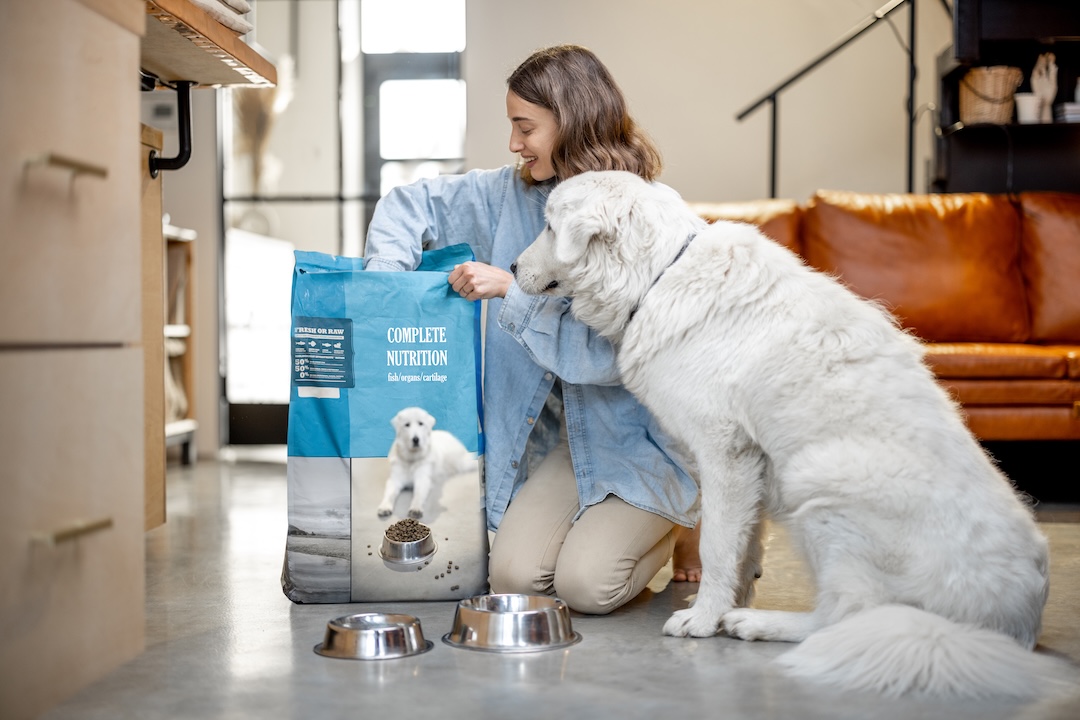
Having several pets at home is rewarding, but it can be challenging, especially during mealtimes. When dogs and cats of different ages, sizes, and activity levels live together, picking the right food matters even more. The aim is to keep every pet healthy and avoid confusion, food stealing, or missing nutrients.
At Durham Farmers’ County Co-op, pet owners can find trusted pet food brands and practical advice tailored to multi-pet households. With a little planning, feeding time can become simple and stress-free.
Start with Each Pet’s Unique Needs
Every pet is different. Age, breed, weight, and health all affect what they need to eat.
For example:
- Puppies and kittens need higher protein and calorie levels for growth.
- Senior pets often require joint support and fewer calories.
- Active working dogs may need performance formulas.
- Pets with allergies may require limited-ingredient diets.
It might seem easier to feed all your pets the same food, but this can cause problems over time. Each pet should get food that matches its age and health needs.
Understand the Importance of Quality Ingredients
When you compare brands, check the ingredient list closely. Good pet food should have real meat listed near the top. Try to avoid foods with too many fillers or artificial additives.
Balanced formulas typically include:
- Quality protein sources
- Healthy fats
- Fibre for digestion
- Essential vitamins and minerals
Buying from a trusted pet food supplier helps make sure the food meets Canadian safety standards and gives your pets balanced nutrition. At Durham Farmers’ County Co-op, you can talk to staff who know the differences between premium, grain-free, and specialty diets.
Manage Feeding Schedules and Portions
In homes with several pets, managing how much each one eats is as important as picking the right food. Some pets eat fast, while others are slow. If you don’t watch them, one pet might eat more than it should.
To prevent this:
- Feed pets in separate areas when possible.
- Use measured portions instead of free feeding.
- Monitor body weight regularly.
- Store food securely to prevent sneaking.
Keeping a regular feeding routine helps pets know when and where to eat. This lowers stress and stops them from competing over food.
Consider Breed Size and Activity Level
Big dogs need different nutrition than small dogs. For example, large breeds might need joint support like glucosamine, while small breeds do better with kibble made for their smaller mouths.
Indoor cats usually need fewer calories than outdoor or barn cats. If pets don’t get much exercise, overfeeding can cause weight gain and health problems.
A visit to Durham Farmers’ County Co-op, your local pet food store can provide access to size-specific and activity-based formulas suited for your household.
Watch for Food Sensitivities
When you have several pets, it can be tough to tell which one has stomach issues or skin irritation. Watching each pet closely can help you spot food sensitivities.
Signs of food intolerance may include:
- Frequent scratching
- Digestive discomfort
- Dull coat
- Ear irritation
If you notice problems, try switching to a limited-ingredient or sensitive-stomach food. It’s also a good idea to talk to your vet before making big changes.
Store and Rotate Food Properly
Storing pet food the right way keeps it fresh and safe. Always close bags tightly or use airtight containers. Keep food in a cool, dry place out of the sun. Rotate your pet food so you use older bags first. This helps prevent waste and keeps food fresh.
Make Feeding Time Work for Everyone
Picking the best pet food for a home with several pets takes some care and planning. Every pet deserves food that supports their health and energy. With good food and feeding routines, your pets can thrive together.
For expert guidance and trusted products, visit any one of our locations. If you need help selecting the right food for your dogs or cats, contact us and speak with a knowledgeable team member who understands the needs of multi-pet families.