
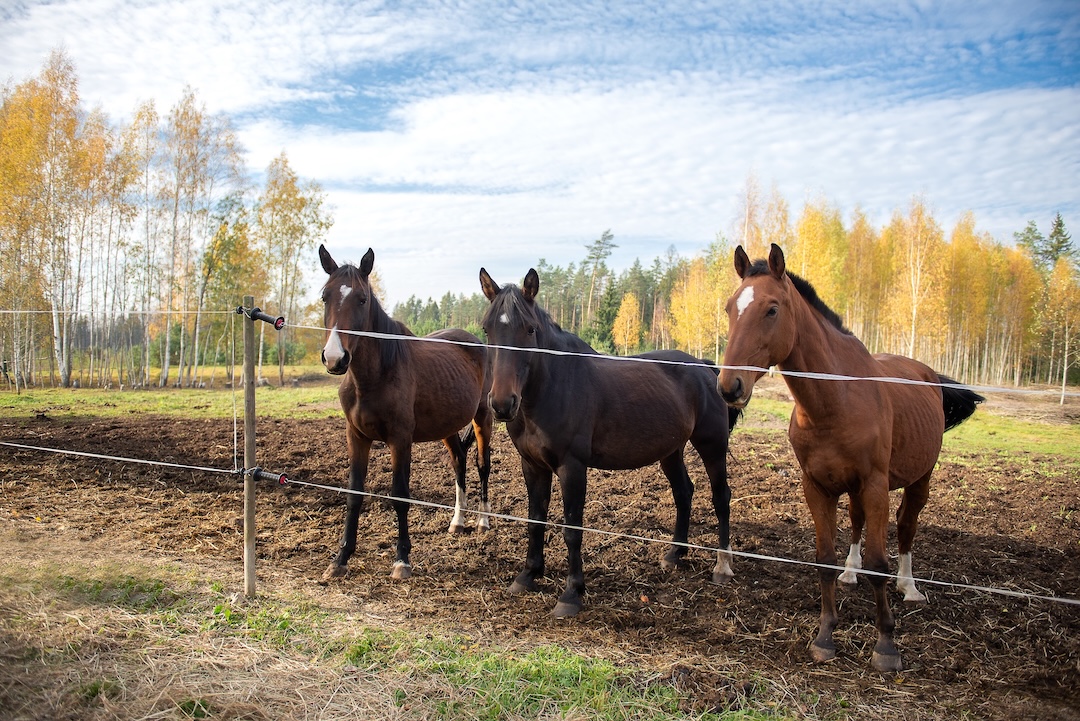
Electric fencing is now a dependable option for many Ontario farms. It helps manage cattle, horses, sheep, and even keeps wildlife away from crops. At Durham Farmers’ County Co-op, we know that picking the right system begins with understanding the basics.
If you are new to electric fencing or want to improve your setup, this guide explains everything you should know.
How an Electric Fence Works
An electric fence works in a simple way. It sends short, safe bursts of electricity through a wire. When an animal touches the wire, it completes the circuit and gets a quick shock. This shock stops animals from pushing or leaning on the fence, but it is safe when set up correctly.
The system relies on three main parts:
- Energizer (also called a charger) – This powers the fence and sends pulses through the wire.
- Conductors – These can be high-tensile wire, polywire, or tape that carries the electrical current.
- Grounding system – Ground rods placed in the soil complete the circuit.
If the grounding is not done right, even the best energizer will not work well. This is why good installation is just as important as having quality equipment.
Why Many Farmers Choose Electric Fencing
Electric fencing has some clear benefits. It usually costs less than wood or woven wire fences. It also needs fewer materials, so it takes less time to install.
Another big advantage is flexibility. Farmers can move or change electric fences easily to set up rotational grazing areas. This helps manage pastures better and protects the soil.
In addition, electric fencing:
- Trains animals quickly
- Reduces pressure on physical barriers
- Requires less heavy infrastructure
- Works well for temporary or permanent setups
Once animals learn to avoid the shock, they are less likely to test the fence again.
Choosing the Right Energizer
Choosing the right energizer is very important. The size of your pasture and the kind of animals you have both matter when making this choice.
For example:
- Cattle often require a moderate to high output energizer.
- Sheep and goats need a stronger voltage due to their thick wool or hair.
- Horses usually respond well to visible tape systems with steady voltage.
Farmers should also think about whether they need a plug-in, battery, or solar energizer. Plug-in models give steady power and work well near barns. Solar units are a good choice for fields that are far from buildings.
Grounding: The Step You Cannot Skip
Even the best energizer will not work without good grounding. In Canada, dry summers and frozen winters make grounding even more important.
Here are a few grounding tips:
- Use galvanized ground rods at least six to eight feet long.
- Space rods at least ten feet apart.
- Install rods in moist soil whenever possible.
If grounding is poor, the fence gives weak shocks, and animals may keep testing it. Taking time to install grounding properly saves trouble later on.
Safety and Maintenance
Electric fences are safe if they are set up and looked after properly. Regular checks are important. Weeds, fallen branches, or broken wires can make the fence less effective.
Farmers should:
- Walk the fence line regularly.
- Clear vegetation touching the wire.
- Test voltage with a proper fence tester
- Check connections and insulators.
Winter needs special care, too. Snow can make grounding less effective. Sometimes, changing the system or adding a ground return wire helps the fence work better in cold weather.
Common Mistakes to Avoid
Electric fencing is simple, but some common mistakes can cause problems:
- Installing too few ground rods
- Using low-quality insulators
- Choosing an energizer that is too small
- Allowing vegetation to overload the fence
Also, using materials that do not match can make the system weaker.
Planning for Long-Term Success
Before putting up a fence, take time to plan where it will go. Think about how animals move, where water is, and how equipment will get through. Good planning means you will not have to make changes as often later.
Electric fencing works best when it fits with good farm management. For example, rotational grazing needs fences that can be moved or changed quickly. With the right setup, you can control grazing and help pastures recover.
Build a Fence That Works as Hard as You Do
Electric fencing is a smart, practical choice for Canadian farms. If you install and maintain it well, it gives reliable animal control without high costs or extra work.
The key is to understand the system from the beginning. Picking the right energizer, setting up good grounding, and using quality materials all matter. A strong fence keeps animals safe and helps with pasture management and daily work.
If you’re looking for farm fencing supplies in Orono or Grafton, contact us or visit a Durham Farmers’ County Co-op store. With the right support, you can build a fence that meets your farm’s needs.