
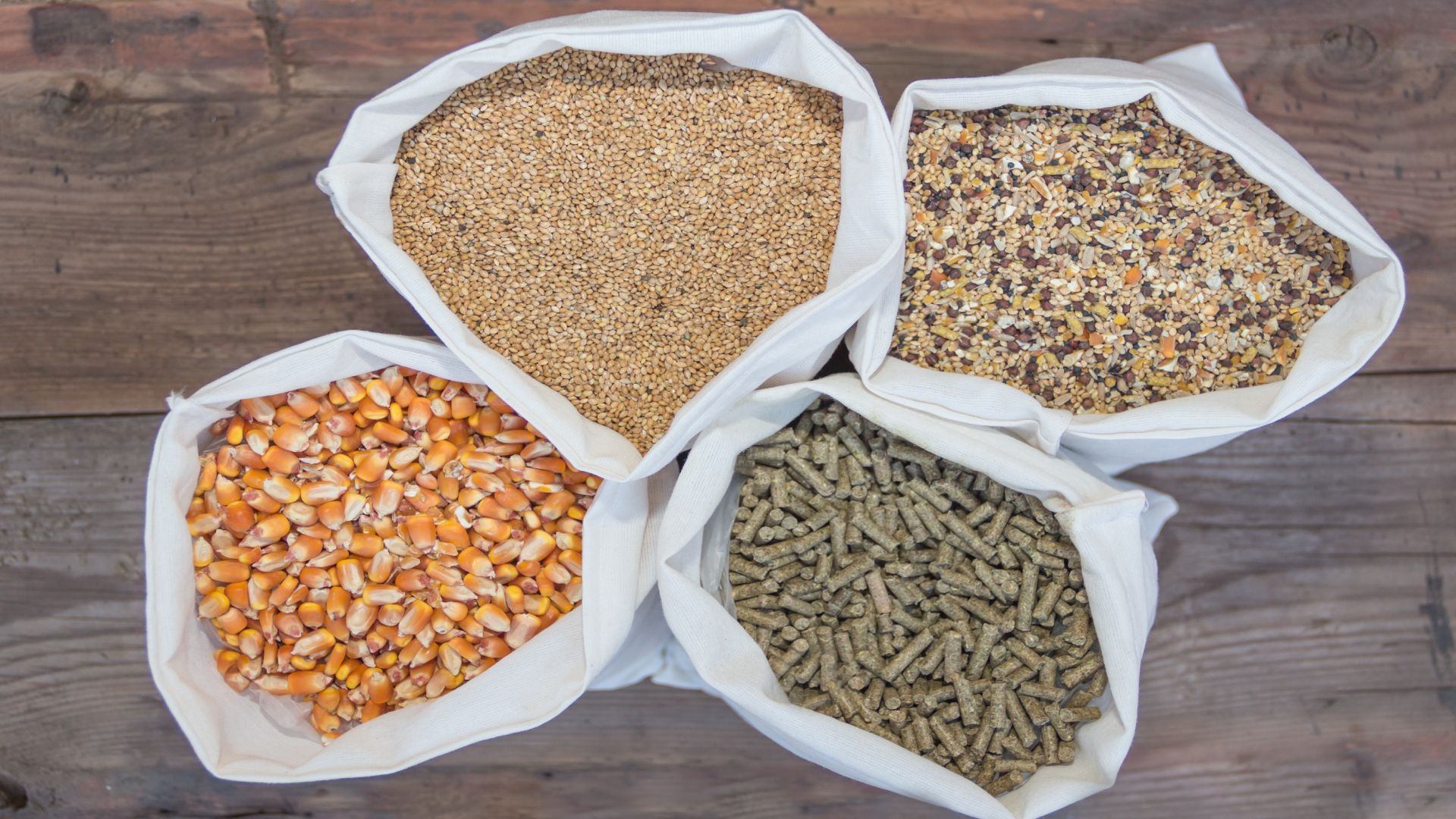
Feed loses quality faster than many people expect. If you keep animals on a farm, a hobby property, or a rural home, storage habits matter as much as the feed itself. At Durham Farmers’ County Co-op, we often hear the same issue: good feed goes to waste because it was stored poorly. The fix is simple.
Why Feed Storage Matters
Feed is a fresh product. Once it is exposed to moisture, heat, sunlight, or pests, it can spoil, clump, lose nutrients, or become unsafe to use. That means wasted money and stressed animals. It can also lead to rodent problems in barns, sheds, garages, and outbuildings.
A better storage routine protects your investment and makes feeding time easier. For a stronger setup, start with proper containers, dry shelving, and the right feed storage supplies.
Mistake 1: Leaving Feed in the Original Bag
Many people buy feed and leave it in an open bag because it feels convenient. The problem is that bags tear, absorb moisture, and invite pests. Even if the bag looks fine on the outside, the feed inside may still be at risk.
A better option is to transfer feed into a clean, dry, airtight bin right away. Keep the bin off the floor and away from walls so air can move around it. If you buy feed often, label each bin with the product name and purchase date so older bags get used first.
Mistake 2: Storing Feed in Humid or Warm Areas
Heat and humidity are rough on feed. Garages, metal sheds, and sunny corners can trap warmth, especially in the summer. Once temperatures rise, feed can spoil faster and attract insects. In cold months, condensation can also build up inside containers and create moisture problems.
Try to store feed in a cool, dry space with steady airflow. A pantry, tack room, or insulated storage area often works better than a damp corner of the barn. If that is not possible, use sealed containers and check them often for moisture or odours.
Mistake 3: Forgetting About Cleanliness
Old feed dust, broken pieces, and spills may not seem like a big deal, but pests notice. Rodents, ants, and flies all love crumbs and residue. Once a storage area gets dirty, it becomes much harder to keep under control.
Make cleanup part of your routine:
- Sweep up spills as soon as they happen
- Wipe bins before refilling them
- Empty containers fully before adding a new batch
Better Habits for Safer Storage
A few simple habits can make a big difference:
- Buy only what you can use in a reasonable time
- Rotate stock so older feed gets used first
- Keep lids closed tightly after every use
- Store feed away from chemicals, fuel, and cleaning products
These habits take little time, but they help protect both feed quality and animal health. If you are building a better setup, think about the storage area, not just the container.
For families, farmers, and homesteaders who want help choosing the right products, Durham Farmers’ County Co-op is a practical place to start.
Keep Feed Fresh, Safe, and Easy to Use
Better feed storage does not have to be complicated. Once you avoid moisture, heat, pests, and clutter, you will notice the difference right away. Your animals get better-quality feed, your space stays cleaner, and you waste less product over time.
If you are ready to upgrade your setup, contact us at Durham Farmers’ County Co-op for help choosing the right farm supplies for your property.