
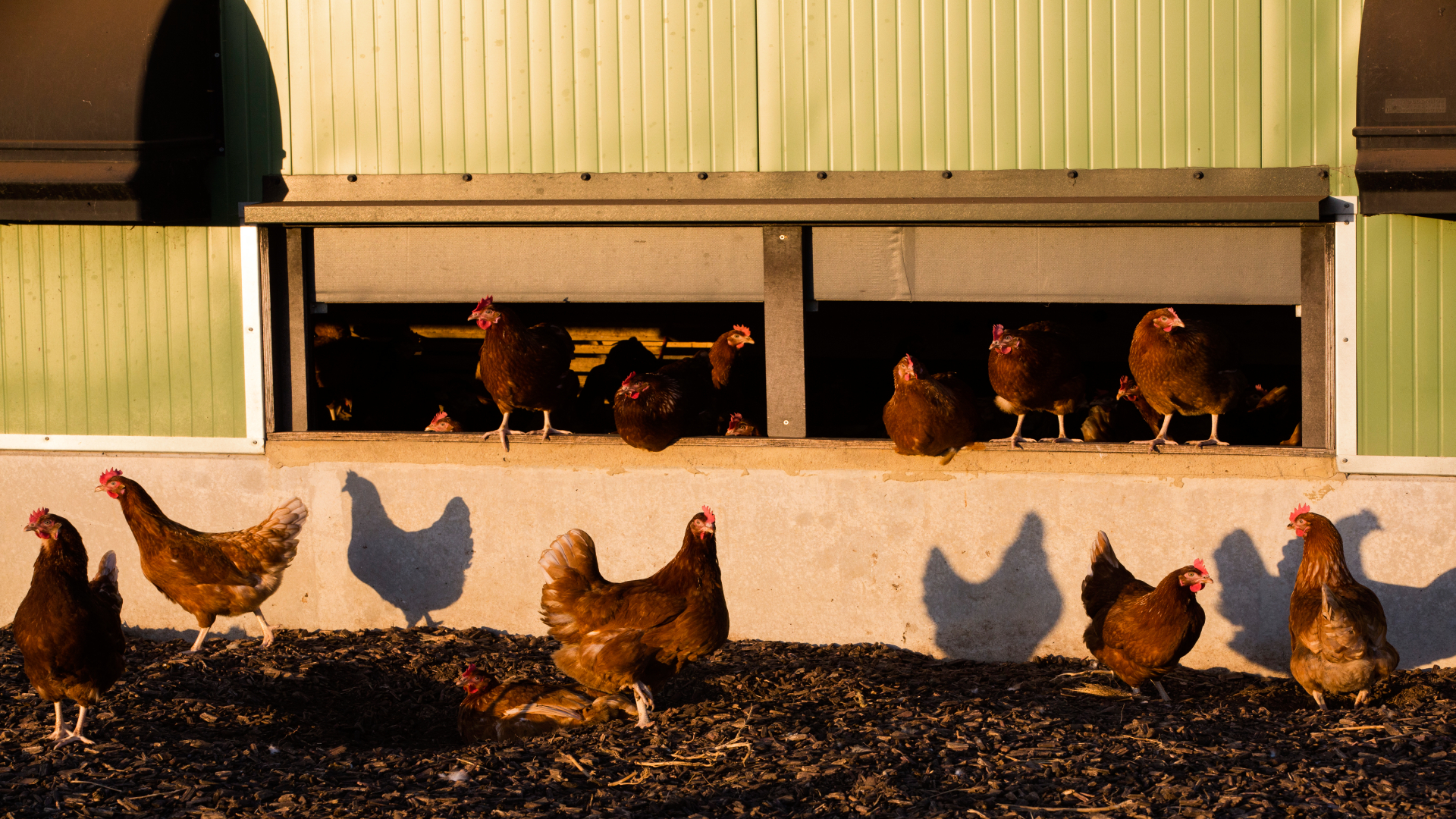
Losing chickens to a predator is one of the most upsetting experiences for any flock keeper. It usually happens fast, often overnight, and leaves you wondering where the gap was.
Foxes, raccoons, weasels, hawks, and even neighbourhood dogs are all active in rural Ontario, and a flock without solid protection is a target. The encouraging part is that most losses are preventable. Here’s what you need to know.
What are the Common Poultry Predators
Different predators target poultry in different ways. In Ontario, some of the most common threats include raccoons, foxes, coyotes, hawks, owls, skunks, weasels, and stray dogs.
Some predators attack during the day, while others are most active at night. Raccoons are known for opening simple latches, while foxes and coyotes may dig beneath fences. Birds of prey can target smaller chickens and young birds from above.
Knowing which animals are common in your area can help you choose the right protection strategies.
Build a Strong and Secure Coop
A secure coop is the foundation of predator protection. Even if poultry spend time outdoors during the day, they should have a safe place to roost at night.
Look for these features:
- Solid walls and doors
- Secure locks and latches
- Hardware cloth over windows and vents
- No gaps or openings around the structure
Many flock owners use chicken wire, but it is important to remember that chicken wire is designed to contain chickens, not stop predators. Hardware cloth offers much stronger protection and is often the better investment.
When setting up or upgrading a coop, quality poultry supplies can make a noticeable difference in long-term security.
Protect Against Digging Predators
Ground predators often attempt to tunnel under fencing to reach birds. Even a small gap can become an entry point.
To reduce this risk, consider burying hardware cloth several inches below ground around the perimeter of the coop or run. Another option is to extend wire outward along the ground to discourage digging.
Regular inspections are important as well. Checking for holes, loose fencing, and weak spots can help prevent problems before they start.
Cover Outdoor Runs
Predator protection is not only about fencing. Hawks and owls can pose a threat to poultry that spend time outdoors.
Adding overhead protection helps create a safer environment. Depending on your setup, this may include netting, wire mesh, or a solid roof structure.
Covered runs can also provide shelter from harsh weather while helping birds feel more secure.
Reduce Predator Attractions
Predators are often attracted to food sources before they notice the birds themselves. Feed spills, food scraps, and unsecured garbage can encourage unwanted visitors.
A few simple habits can help:
- Store feed in sealed containers
- Clean up spills promptly
- Secure garbage bins
- Remove leftover food at the end of the day
Using proper feed storage supplies can help keep feed fresh while reducing the chance of attracting pests and predators.
Small Changes Make a Big Difference
Protecting poultry does not have to be complicated. A secure coop, strong fencing, covered runs, and good property maintenance can greatly reduce the risk of predator attacks.
At Durham Farmers’ County Co-operative, flock owners can find the poultry supplies, feed products, and fencing supplies needed to create a safer environment for their birds.
Keep Your Flock Safe Year-Round
Predator prevention works best when it becomes part of your routine. Regular inspections, proper storage practices, and secure housing all contribute to a healthier flock and fewer losses.
Contact us today if you are looking for products to improve your poultry setup. Our team at Durham Farmers’ County Co-op can help you find practical solutions to protect your birds and support your flock throughout every season.