
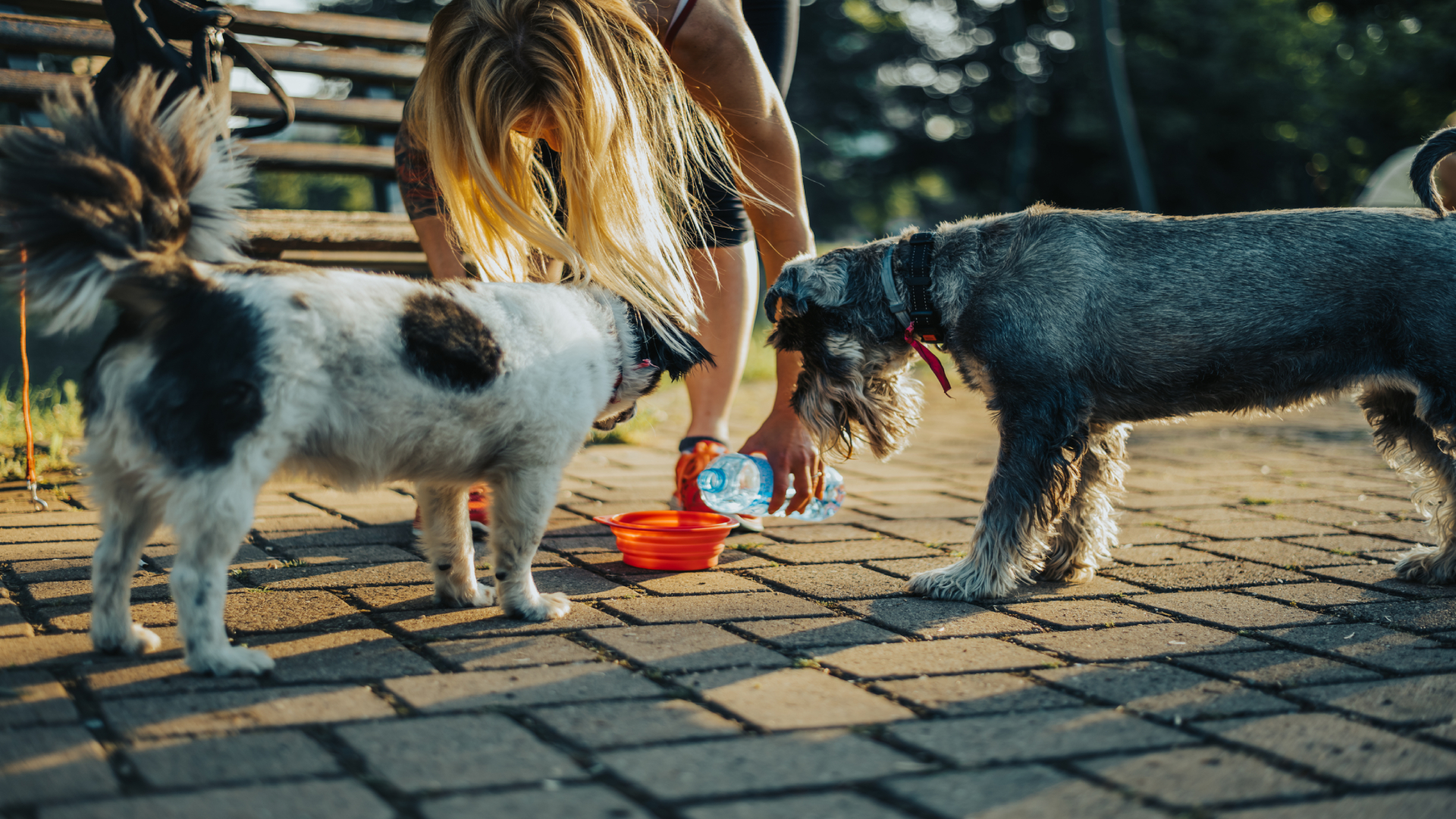
Ontario summers can be tough on animals. The heat affects a lot more than how much water they drink; it changes how they eat, how their food holds up, and how much energy their bodies actually need.
Whether you’re caring for dogs, cats, chickens, or horses, a few adjustments to your feeding routine during the warmer months can keep your animals healthier and more comfortable.
Shift Feedings to Cooler Times
Digestion generates heat inside the body. Feeding animals at peak afternoon temperatures means they’re processing food at exactly the wrong time, when they’re already dealing with external heat. Moving main feedings to early morning and in the evening lets their bodies handle digestion when it’s cooler and more manageable.
This matters especially for chickens. Hens naturally reduce their feed intake in hot weather, which can affect egg production. Feeding earlier in the day, before temperatures climb, encourages better intake and keeps production steadier through summer.
Water Comes Before Everything Else
Hydration is the most critical part of summer animal care, and it directly affects how well animals can eat and use nutrients. Most animals need significantly more water in hot weather, sometimes 50% more than their normal intake.
Buckets and troughs heat up quickly in direct sun, and warm water gets ignored. Check water sources several times a day, keep them in the shade where possible, and clean them regularly to prevent algae buildup.
For horses, especially, reduced water intake in any season increases the risk of impaction colic. Keep water fresh and accessible at all times.
Expect Reduced Appetite — But Keep Watching
A drop in appetite during a heat wave is completely normal. Most animals eat less when it’s warm, and that’s a healthy response. Don’t worry if your dog leaves food in the bowl or your livestock seems less eager at feeding time.
The line to watch for is an animal that stops eating entirely for more than a day or two, or one showing signs of distress alongside reduced appetite. At that point, a vet call is the right move.
Keep an eye on body condition through summer. Gradual weight loss happens slowly and can sneak up on you if you’re not paying attention.
Don’t Leave Food Out in the Heat
Wet or canned pet food spoils fast in summer. Left out at warm temperatures, bacteria multiply quickly, within an hour or two the food becomes a genuine health risk. Serve smaller portions more frequently and remove anything uneaten after 20 to 30 minutes.
Dry food holds up longer, but in high humidity, it can go stale, clump, or attract insects. Store it in a sealed container in a cool space and avoid leaving it in a bowl all day.
Consider Electrolyte Support for Working Animals
Horses and cattle that are working through summer heat lose electrolytes through sweat, and plain water doesn’t fully replace them. Adding equine supplements or livestock electrolytes to water or feed helps maintain hydration at a cellular level and supports recovery after exertion.
For poultry, electrolyte and vitamin mixes added to drinking water during heat waves support flock health and help offset the effects of heat stress.
Your Summer Animal Care Starts at DFCC
Durham Farmers’ County Co-op carries everything you need to keep your animals going through the summer, from poultry supplies and equine supplements to pet food for every life stage.
Our DFCC Orono and Grafton teams are happy to help with recommendations on animal feed, supplements, and watering supplies. Reach out to us or stop by; a little preparation goes a long way.