
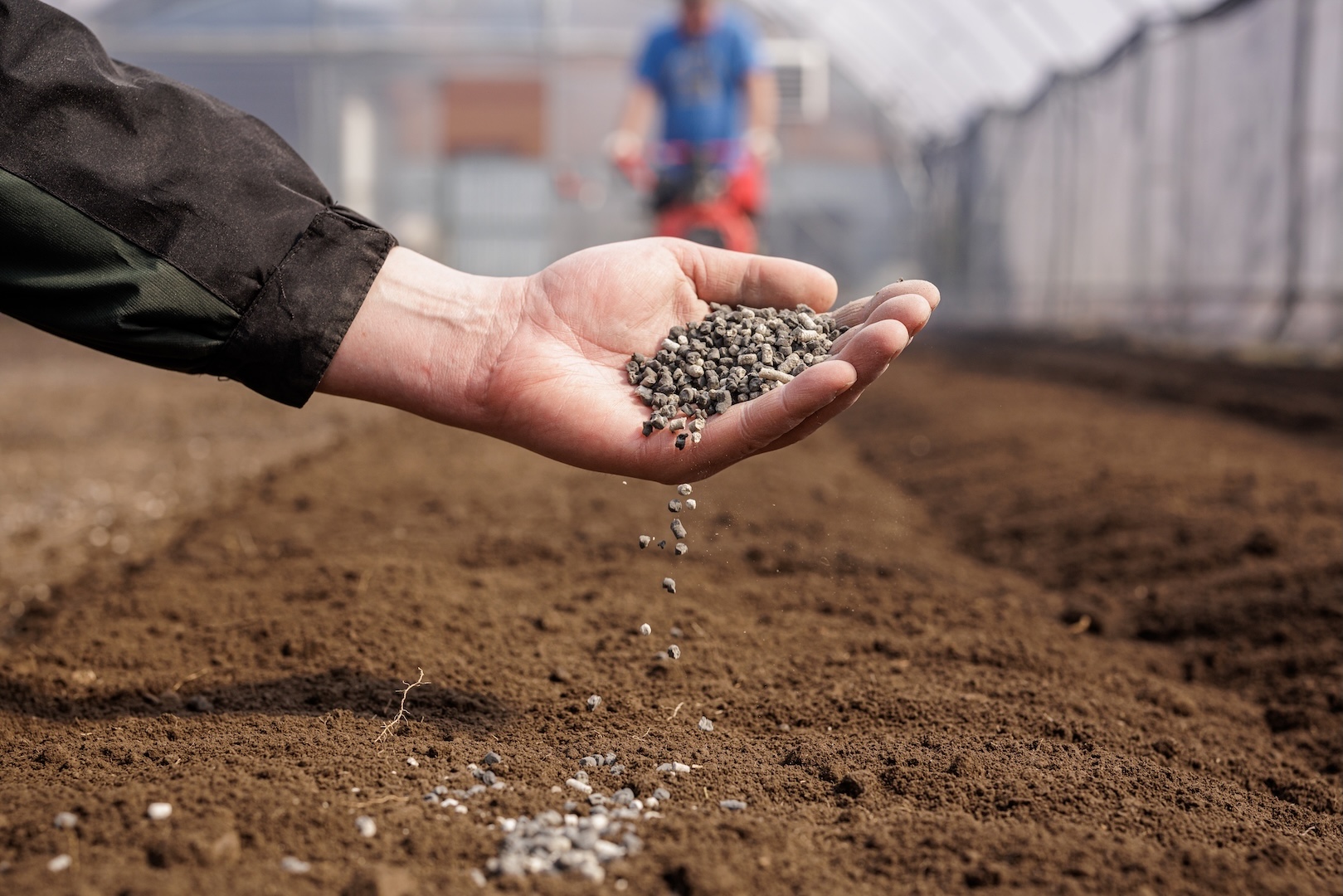
Healthy crops start with healthy soil, but soil rarely provides every nutrient a crop needs in the right amount. Fertilizer can help fill those gaps and support steady growth, strong roots, and good yields. The key is knowing what your soil and crops actually require instead of applying the same product every season.
For Ontario growers, that means considering soil conditions, crop type, planting plans, and the nutrients already available in the field. A little preparation can help you use fertilizer efficiently and avoid unnecessary costs.
Start with a Soil Test
Before buying fertilizer, find out what is already in your soil. A soil test can show nutrient levels and soil pH, giving you a clearer picture of what may need to be added. It can also help prevent overapplication, which wastes money and may contribute to nutrient runoff.
Collect samples from areas with similar soil and cropping history. Avoid mixing samples from fields that differ greatly in texture, drainage, or past management. Follow the lab’s sampling instructions, since a useful recommendation depends on a representative sample.
A test is especially helpful when you are changing crops, correcting a known soil issue, or planning a new growing season. Keep the results so you can compare them over time.
Understand the Main Plant Nutrients
Fertilizer labels commonly show three numbers representing nitrogen (N), phosphorus (P), and potassium (K).
- Nitrogen supports leafy growth and is important for crops such as corn and many cereal grains.
- Phosphorus helps with root development and energy transfer within the plant.
- Potassium supports water regulation and several processes involved in plant health.
Crops also need secondary nutrients and micronutrients, but the amounts vary by crop and soil. More fertilizer is not automatically better. Excess nutrients can harm crop performance, increase costs, and move beyond the field.
Match the Product to the Crop
Different crops have different nutrient demands. A fertilizer plan for corn will not necessarily suit soybeans, wheat, vegetables, or a forage stand. Even within one crop, nutrient needs can change with soil type, yield goals, previous crops, and manure applications.
Use soil-test results and crop-specific recommendations to guide product choice and application rates. If manure or other organic materials have been applied, account for the nutrients they contribute. This can help avoid applying more than the crop can use.
When selecting crop fertilizers, check the analysis, application directions, and suitability for your crop and equipment. If you are unsure which product fits your field, ask for advice before spreading.
Time Applications Carefully
The right nutrient applied at the wrong time may not provide the benefit you expect. Some nutrients are best applied before planting or worked into the soil, while others may be split across the season to better match crop uptake.
The weather matters, too. Avoid spreading when heavy rain is expected or when the ground is frozen, snow-covered, or saturated, unless a specific, permitted practice says otherwise. These conditions can increase the risk of nutrient movement into waterways.
Always follow product directions and applicable Ontario requirements. Calibrating your spreader or applicator also helps deliver the intended rate evenly.
Keep Records and Review Results
Record the product, rate, date, field, and application method each time you fertilize. At harvest, compare crop performance with your notes and soil-test results. Over several seasons, these records can help you spot patterns and make more informed adjustments.
Give Your Crops a Strong Start
A sound fertilizer plan begins with a soil test, accounts for crop needs, and applies nutrients at suitable rates and times. This approach supports crop growth while helping protect your budget and the land you farm.
Durham Farmers’ County Co-operative supports local growers with farm supplies and products for their operations, including fertilizer and crop supplies. If you need help choosing the right products for your next growing season, speak with our team at a local store or contact us today to learn more.