
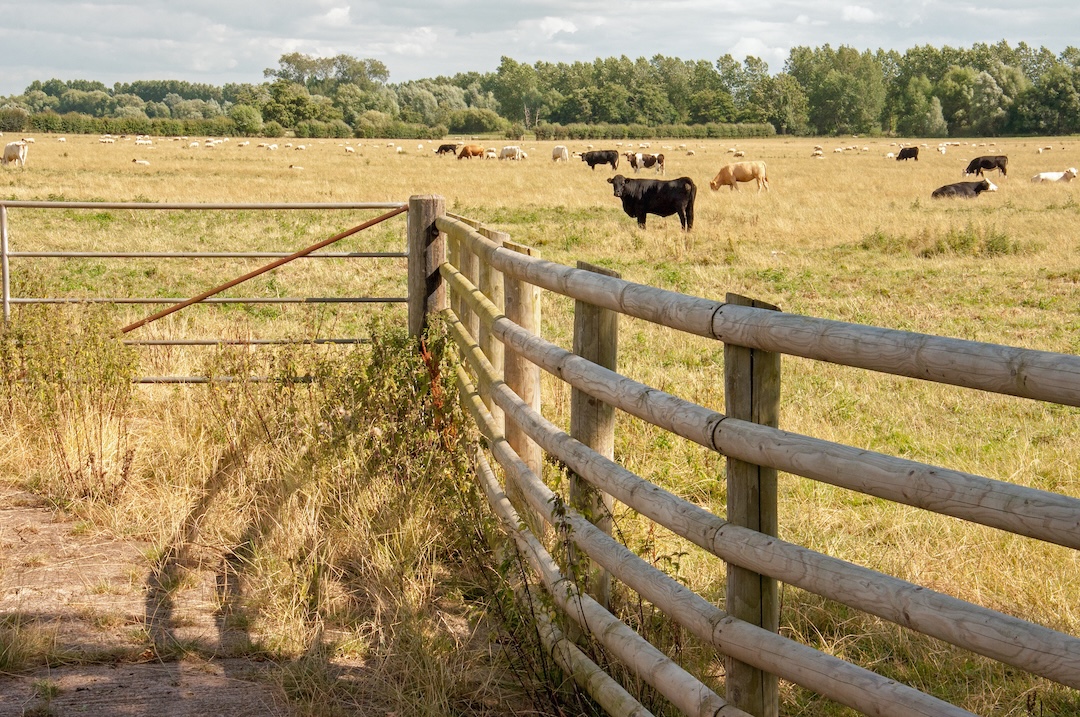
Choosing the right farm fence is a key decision for any property owner. Fences do more than mark boundaries—they protect livestock, help manage pastures, and keep out unwanted animals. In Ontario, factors like weather, soil, and livestock type all influence which fencing works best.
At Durham Farmers’ County Co-op, farmers receive guidance based on real local experience. Understanding the basics first helps ensure the fence will last for years and perform as expected.
Start with Your Livestock Needs
Each animal needs a specific type of fencing. What works for cattle might not suit sheep or horses. So, start by deciding which animals your fence needs to contain.
For example:
- Cattle respond well to high-tensile wire or electric fencing.
- Horses need highly visible fencing, such as rail or electric tape, to prevent injury.
- Sheep and goats require tighter spacing because they are more likely to push through gaps.
- Poultry often needs a smaller mesh to keep predators out.
Choosing a farm fence that fits your animals’ behaviour helps reduce stress for both the livestock and the fence itself.
Consider Your Property Layout
Every farm is unique. Some fields are flat and open, while others have woods, hills, or uneven ground. The land will affect where you place posts, how tight the wire needs to be, and how long installation takes.
High-tensile wire or electric fencing often works well for larger properties because it costs less. Smaller hobby farms might choose wood or woven wire fencing for more strength and a better appearance.
Planning your fence lines carefully makes it easier to expand later. Many farmers split big pastures into sections for rotational grazing, which helps grass and soil stay healthy over time.
Understand the Main Fence Types
To pick the right fence, it helps to know the main types available.
- Wood Fencing – strong and easy to see. It’s a good choice for horses and gives rural properties a classic look. Keep in mind, it needs regular upkeep and costs more at first.
- Woven Wire Fencing – sturdy and works well for smaller animals like sheep, goats, and poultry. If installed correctly, it offers great protection from predators.
- High-Tensile Wire – a popular choice for cattle. It’s tough, lasts a long time, and is cost-effective for big areas. Proper tension and good installation are important.
- Electric Fencing – flexible and costs less for materials. It’s great for rotational grazing and temporary paddocks. With proper grounding, it reliably keeps animals where they belong.
Farmers looking for farm fencing in Orono and Grafton can find suitable materials and advice at Durham Farmers’ County Co-op.
Think About Maintenance and Longevity
Wood fences may need staining or repairs. Electric fences should be checked often to remove plants and keep the voltage steady. Woven wire might need tightening if the weather makes it loose. Shopping at a local farm fencing store helps ensure the materials are designed for Canadian conditions. Proper posts, insulators, and fasteners make a noticeable difference in how long a fence lasts.
Budget Wisely Without Cutting Corners
While cost always matters, the cheapest option is not always cost is important, but the cheapest fence isn’t always best in the long run. If a fence fails early, repairs and lost livestock can end up costing more. durability
- Installation requirements
- Expected lifespan
- Animal safety
- Future expansion plans
Set posts deep enough and use galvanized materials to make your fence last longer. Make sure gates are strong and easy to use year-round.
Make the Right Choice for Long-Term Success
A good farm fence keeps animals safe, helps manage pastures, and makes daily life easier. Taking time to consider your animals, property, and maintenance needs can help you avoid expensive errors.
For trusted products, local expertise, and dependable farm fencing in Orono and Grafton, farmers can turn to Durham Farmers’ County Co-op. To discuss your fencing plans or get help selecting the right materials, contact us and speak with our expert team who understands Ontario farming conditions.