
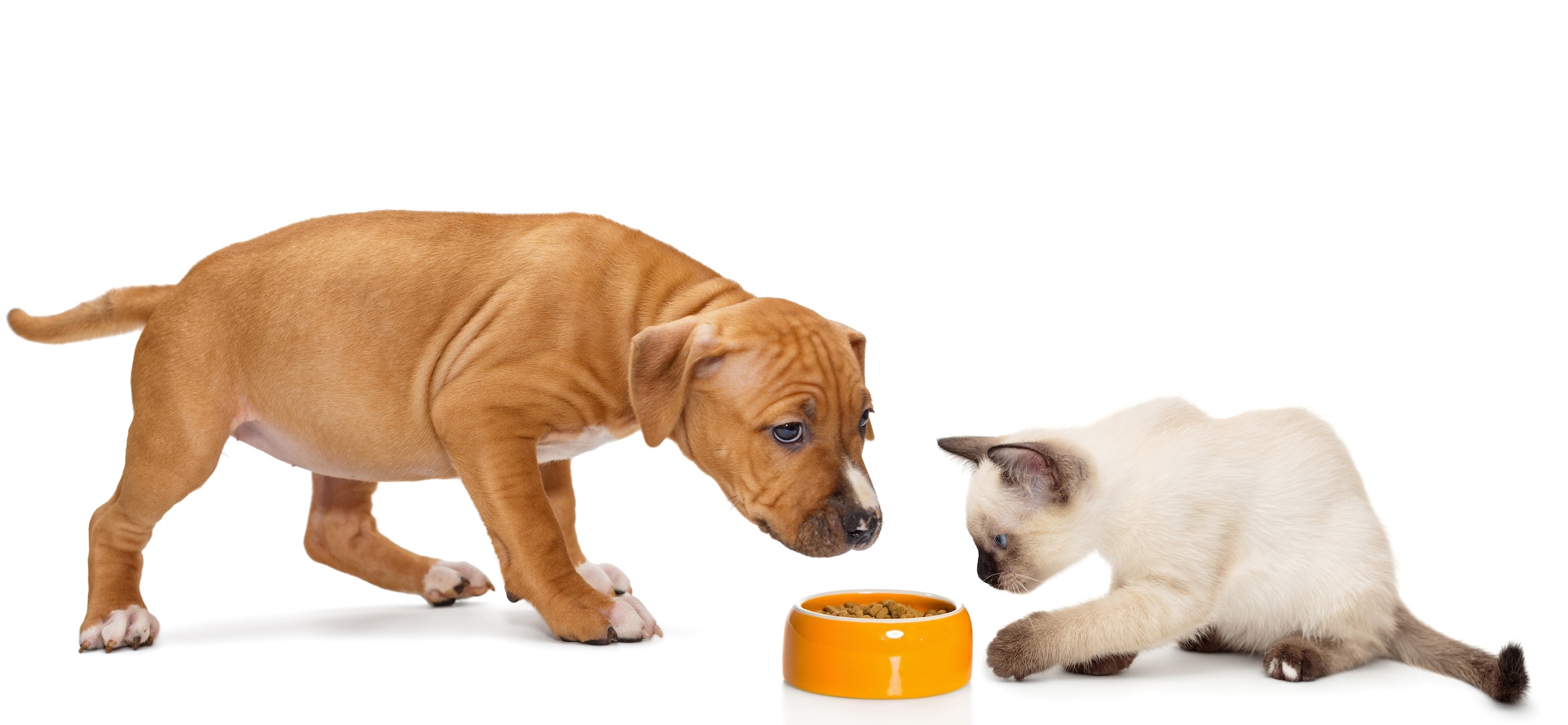
Treats can be a useful part of life with a cat or dog. They may help reward good behaviour, support training, or simply add variety to your pet’s routine. However, treats should complement a balanced diet rather than replace it. Choosing them carefully can help you reward your pet while keeping nutrition and safety in mind.
Start With Your Pet’s Needs
Before picking a treat, consider your pet’s age, size, activity level, and general health. A small dog may need a different treat size from a large dog, while kittens and puppies may have different needs from adult or senior pets.
If your pet has food sensitivities, allergies, or a medical condition that affects diet, check with your veterinarian before introducing something new. Some treats may contain ingredients that are unsuitable for pets with specific dietary restrictions.
Read the Ingredient List
Packaging can make broad claims, so take a moment to review the ingredient list. Look for ingredients you recognize and choose products that suit your pet’s regular diet. The best option will depend on your animal and the purpose of the treat.
Be cautious about treats with ingredients your pet has reacted to before. If you are trying a new product, introduce it gradually and offer a small amount first. Watch for digestive upset, itching, or other unusual changes, and stop feeding the treat if you notice a possible reaction.
Check Calories and Portion Size
Treats add calories, even when they are small. Giving too many can contribute to unwanted weight gain and may reduce your pet’s appetite for a complete, balanced food.
As a general guideline, treats and other extras should make up no more than about 10% of a pet’s daily calories, unless your veterinarian recommends a different approach. The rest should come from a nutritionally complete diet suited to your pet.
For training, choose small treats that your pet can eat quickly. You can also break larger treats into smaller pieces when appropriate. Count treats as part of the day’s overall food intake rather than treating them as calorie-free rewards.
Choose a Suitable Texture and Size
Texture matters, particularly for pets that gulp food, have missing teeth, or find hard treats difficult to chew. Select a size and consistency your pet can manage safely and supervise treat time.
Avoid giving cats and dogs foods that are unsafe for them. Chocolate, grapes and raisins, onions, garlic, and products containing xylitol can be dangerous. Cooked bones can splinter, and very hard chews may damage teeth. When you are uncertain about an ingredient or chew, check with your veterinarian.
Store Treats Properly
Follow the package instructions for storage and use-by dates. Keep treats sealed in a cool, dry place, and refrigerate products when the label says to do so. Discard treats that are mouldy, unusually damp, or have changed in smell or appearance.
Secure storage also helps prevent pets from helping themselves to large amounts. Keep packages away from curious noses and paws, especially if the product could cause illness when eaten in excess.
Make Treats Part of a Healthy Routine
Treats work best when you use them thoughtfully. Choose products that suit your pet, keep portions modest, and consider your pet’s response when trying something new. Fresh water and a balanced everyday diet remain essential. At Durham Farmers’ County Co-operative, our pet food and care supplies can help you find options for your companion.
Visit us in Orono or Grafton to browse pet products and ask our team about treats that may suit your cat or dog. Or you can simply contact us today to learn more!